
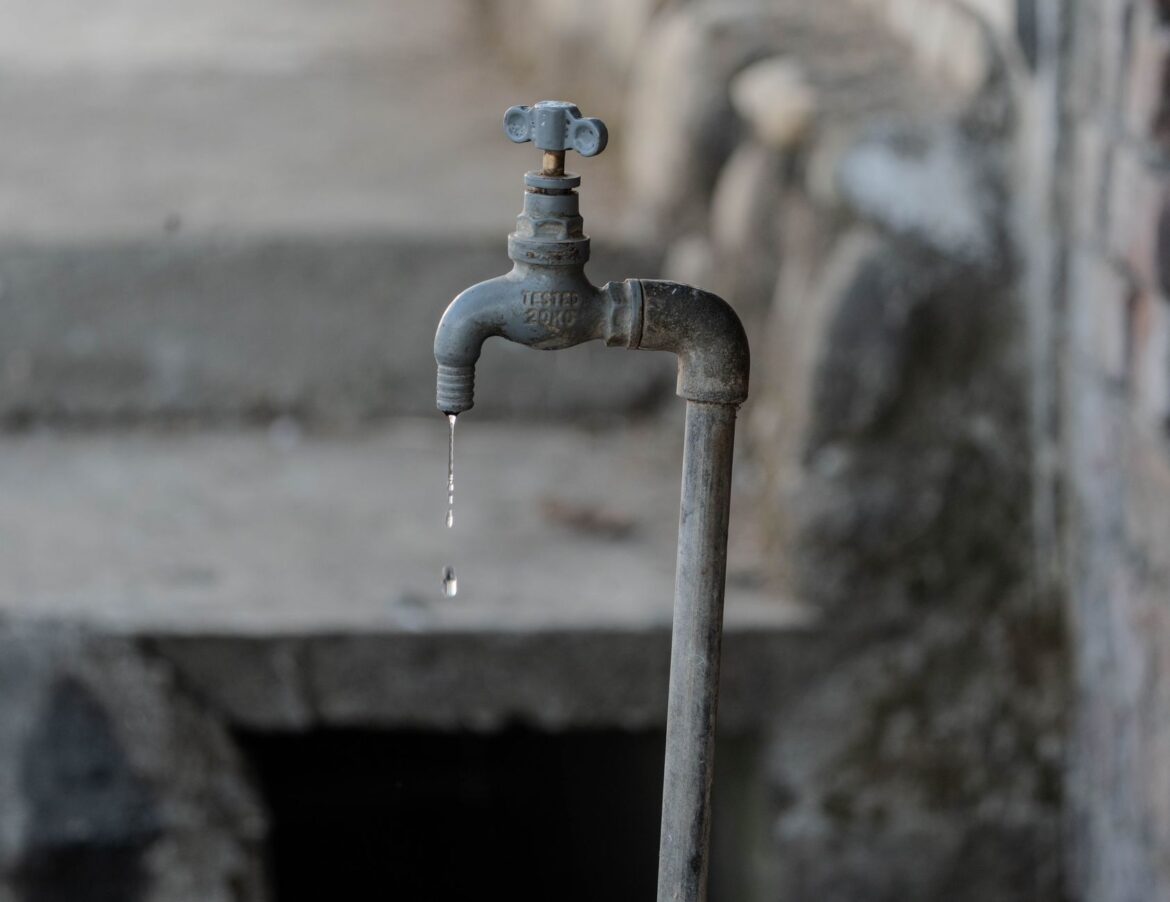
The Alvarez household used to have two ways of learning about a leak: a damp patch on the ceiling, or a bill that made someone say a word the kids weren’t supposed to hear. Today they find out in a different way, usually on a Sunday morning, with a cup of coffee and thirty seconds of attention. Nothing about their pipes changed. Their habits did.
Guessing vs. Measuring: Trading Hunches for the Water Meter
Before, the family’s leak detection ran on hunches. Someone thought the toilet sounded a little different. Someone else was sure the garden tap had always dripped like that. Without evidence, every suspicion could be waved away, and most were.
Now they read the water meter. Once, when nobody is home or everyone is asleep, they note the dial or the small leak indicator and check it again an hour or two later with every fixture off. If the numbers moved, water is going somewhere. It takes about five minutes, and it turns a vague worry into a yes or no.
Ignoring the Bill vs. Reading It Like a Report Card
The old routine for the water bill was to look at the total, grumble, and pay it. A bill that crept up over three months looked like an unlucky season rather than a warning.
These days they keep a simple note of each month’s usage next to the same month a year earlier. A jump with no explanation, like no guests, no new garden, and no filled pool, becomes a prompt to run the meter test. The bill stopped being a punishment and became the cheapest monitoring system they own.
Glancing Past vs. Looking Under Every Sink
Under the kitchen sink, the old household stored sponges and a half-empty bottle of dish soap, and nobody looked past them. A slow drip at a supply connection can go on for months in that kind of dark, crowded cabinet, soaking the particleboard until it swells and softens.
The new habit is to open each cabinet once a month, run a dry finger along the pipes and shutoff valves, and check the cabinet floor for dampness, warping, or a faint sour smell. The same quick pass covers the toilet base, the washing machine hoses, and the water heater. It’s a short loop, and it catches trouble while it is still a loose fitting instead of rotted wood.
Waiting for a Stain vs. Catching the First Drip
A stain on the ceiling used to be the household’s alarm bell. By then the water had already traveled through insulation and drywall, and the repair meant opening walls, drying them out, and repainting. The pipe fix was often the smallest line on the invoice.
Catching a leak at the first drip changes the whole scale of the job. Tightening a connection or replacing a worn washer costs little and takes an afternoon. For the practical detail behind the habits, How to spot plumbing leaks early is a useful companion, covering what to look and listen for around the house. The key shift is that the family no longer treats damage as the signal. A small change in the meter or a damp fingertip is the signal.
Panic Calls vs. a Calm First-Response Plan
The old response to a surprise leak was chaos: a frantic search for the main shutoff, towels everywhere, and a late-night call to whoever answered first. Emergency rates, rushed decisions, and a lot of avoidable water damage followed.
Now everyone in the house, including the teenagers, knows where the main valve is and has turned it at least once. A flashlight and a few towels live nearby, and the number of a trusted plumber is saved in the family’s phones. When something does go wrong, they shut the water off, take a photo for records, and make one unhurried call.
The Old Routine vs. the New One: What Daily Life and the Repair Budget Look Like Afterward
Daily life looks almost the same, which is the point. The new routine adds perhaps ten minutes a month and a few seconds of bill-reading. What disappears is the background unease, the sudden weekend repair, and the insurance conversation nobody wanted.
The budget shifts too. Repairs become small and planned, such as a new hose or a replaced valve, rather than large and urgent. The household still has the occasional leak, since pipes age no matter what anyone does. The difference is that they hear about it early and from their own checks.
- Test the water meter with everything off whenever the bill looks odd.
- Compare each bill to the same month last year.
- Check under sinks and around appliances monthly.
- Make sure everyone knows where the main shutoff is.